4. Fruits That Offer Natural Sweetness and Hydration
Fruits are packed with fiber and water, helping you feel full without providing substantial calories. In particular, high-fiber fruit like berries, apples, and pears contribute to satiety while helping you remain within your calorie budget. One study found that eating more fruits was associated with greater weight loss.
There’s no need to be concerned about the natural sugars in fruits. Whole fruits contain vitamins, minerals, antioxidants, fiber, and water, all affecting how the body absorbs the sugars. Fiber and water slow sugar absorption, preventing blood glucose spikes to keep energy and hunger levels more stable.
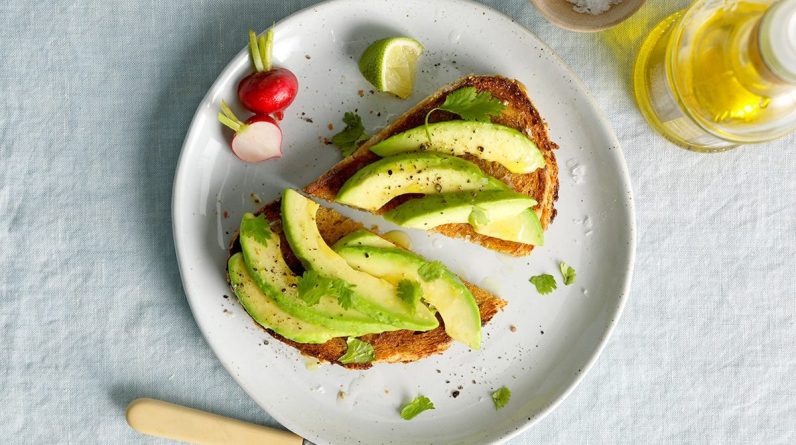
5. Healthy Fats That Help You Stay Full
Not all fats are equal. Healthy fats like avocado, nuts, fatty fish, and olive oil help you feel full and satisfied.
One study showed that people who added half an avocado to their lunch felt significantly less hungry over the next three to five hours than those who didn’t eat avocado. Moreover, people who ate avocados with lunch reported higher meal satisfaction despite increased calories.
Other research shows that regularly eating almonds contributes to weight reduction when included in an overall healthy diet.
6. Legumes and Beans for a Protein-Fiber Combo
Legumes include beans, lentils, chickpeas (garbanzo beans), and peas. Legumes are packed with fiber and protein, making them an excellent food for weight loss.
One systematic review found that adding a serving of legumes to the diet resulted in modest weight loss without any other dietary modifications. People who ate roughly ¾ cup of legumes per day lost, on average, 0.75 pounds more over a few weeks than those who didn’t. Weight loss occurred without a deliberate calorie deficit, meaning that eating legumes may help naturally help people eat less by boosting fullness.
7. Simple Meal Ideas to Put It All Together
Fill half your plate with non-starchy vegetables, a quarter with lean protein, and a quarter with carbohydrates, ideally whole grains. This balanced plate ensures you get a mix of protein, fiber, and healthy carbohydrates to meet nutritional needs while feeling full and satisfied.
Easy meals following this model include:
-
Veggie omelet bowl: Half a bowl with sauteed spinach, tomatoes, and mushrooms; a quarter scrambled eggs or tofu; and a quarter roasted sweet potatoes. Top with sliced avocado, if desired.
-
Mediterranean salad: Half the plate is mixed greens, cucumber, and bell peppers; a quarter of grilled salmon or chickpeas; and a quart of quinoa. Top with olive oil and lemon.
-
Stir-fry: Half a plate of stir-fry with broccoli, carrots, zucchini, and snap peas; a quarter shrimp, chicken, or tofu; a quarter brown rice or barley.
-
Soup and salad: Vegetable and lentil soup with a half plate of salad and a slice of whole-grain bread.
Final Thoughts
When it comes to losing weight, there’s no single magic food—it’s the combination and balance that counts. Focus on building a plate with plenty of non-starchy vegetables, lean protein, and complex carbohydrates. Add a small amount of healthy fats for satisfaction.
Remember that sustainable weight loss is a gradual, non-linear process. Consistency is key for progress. If you’d like help creating a plan tailored to your needs, consider booking a consultation with a Season dietitian. We’re here to support you every step of the way – click here to get started today.
FAQs:
Question 1: How many calories should I eat per day to lose weight?
How many calories you should eat per day to lose weight will depend on you, your medical history, goals, and activity level. A registered dietitian can help you determine the appropriate amount of calories for weight loss.
Question 2: Can I eat carbs and still lose weight?
Yes! You do not need to eliminate carbohydrates to lose weight. Prioritize whole grains carbohydrates, fruits, legumes, and starchy vegetables instead of refined carbohydrates. Whole grain and complex carbohydrates are packed with fiber and nutrients beneficial for health and weight loss. Still, portion size matters. Stick with one-fourth of your plate as carbohydrates.
Question 3: What foods burn fat the fastest?
No food burns fat the fastest. Weight loss is about your overall dietary pattern. Focus on lean proteins, healthy fats, and complex carbohydrates packed with fiber.
Learn what foods to eat to lose weight—from lean protein to high-fiber veggies—plus tips for feeling full longer and building balanced meals.