The first approach is a high-fat diet, like the ketogenic and Atkins plans. The science behind it is fascinating: By drastically reducing carbohydrate intake and increasing fats, you force your body into a state called ketosis.
In ketosis, your body stops relying on glucose from carbs for energy and starts burning fat instead. This metabolic shift not only promotes fat loss but can also stabilize blood sugar levels and reduce hunger.
People often describe their experience on keto as transformative. They feel less hungry, more energetic, and see meaningful weight loss, sometimes quickly. Foods in this diet include:
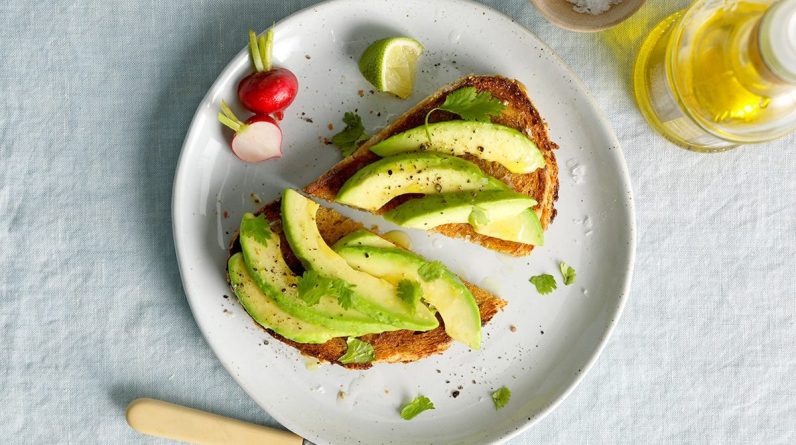
- Proteins and fats: Fatty fish, eggs, avocados, nuts, seeds, and oils (like olive or coconut).
- Low-carb vegetables: Spinach, kale, broccoli, and cauliflower.
- Minimal carbs: Restricting carbs to as little as 20 to 50 grams per day is key, which means foods like bread, pasta, and sugary snacks are off-limits.
Keto diet risks: While this diet can be effective, it’s also strict and can be difficult to maintain. Social situations, cravings, and the monotony of high-fat foods can lead to burnout. There’s also a risk of nutrient deficiencies, particularly in fiber, as fruits, beans, and whole grains are typically avoided.
Constipation is another common side effect, as are “keto flu” symptoms like fatigue and irritability when starting out. If you’re considering keto, it’s wise to consult a health care provider to ensure you’re meeting all your nutritional needs.
An obesity medicine physician explains the value of high-fat and high-fiber diets in producing sustainable weight loss results.