Looking to jumpstart your health journey? Download the new Start TODAY app for fitness challenges, meal plans and daily inspiration!
For most of her life, Michelle Kloese, 41, never had to worry about her weight. But around age 35, she started to notice some weight gain. She had back pain and stiffness too, plus foot pain caused by plantar fasciitis. Her cholesterol and blood-sugar levels were high, too.
She felt sluggish and her clothes weren’t fitting well. “Things just didn’t feel like me anymore. My body wasn’t used to carrying all that weight,” she tells TODAY.
The turning point for her came in January 2023 when she travelled to Ireland with friends and family for her 40th birthday. When she got home and saw photos from the trip she thought, “Is this what my 40s are going to look like and feel like?”
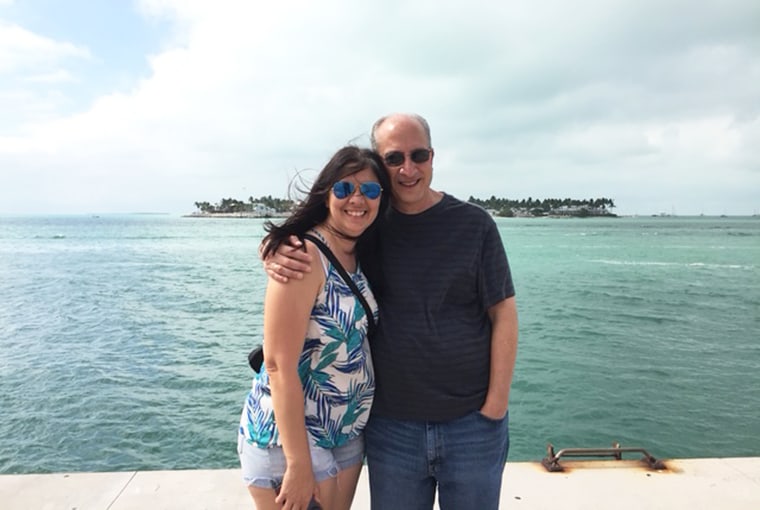 Pictures from a trip celebrating her 40th birthday inspired Kloese to make a lifestyle change. Courtesy Michelle Kloese
She weighed herself after the trip — something she wasn’t in the habit of doing. Her weight had climbed 38 pounds from the last time she had checked, to 177.3 pounds. She felt shocked: “I decided that day was the day I needed to do something different in my life.”
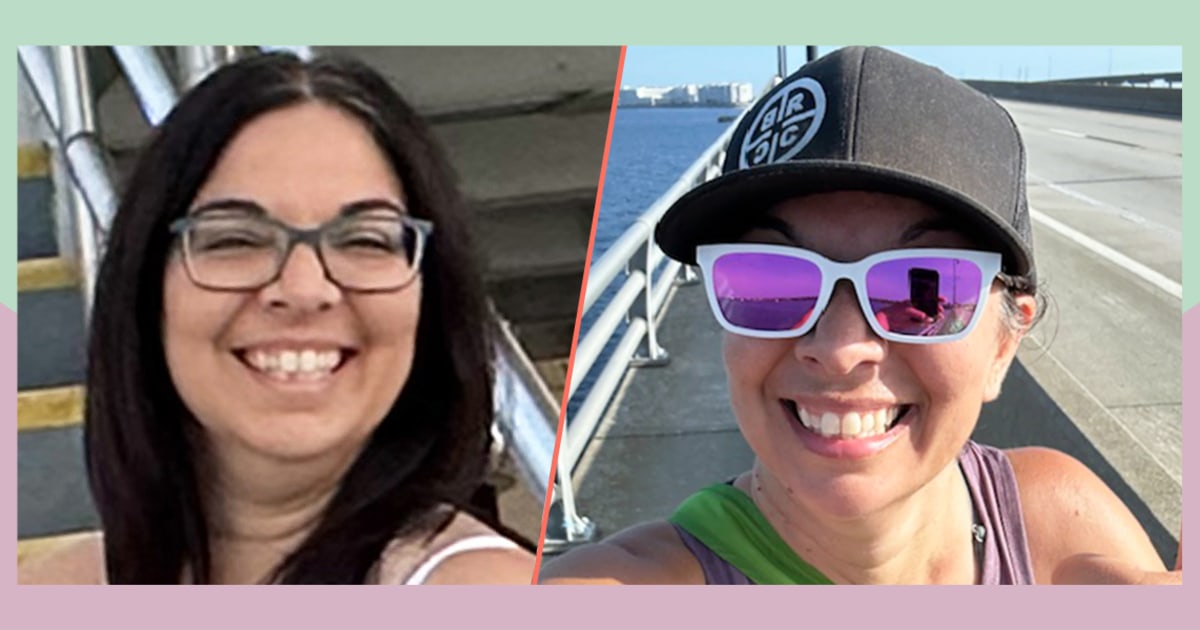
Today, she’s 50 pounds lighter and her life is centered around healthy habits. All of her health issues are gone, and she’s feeling better in her 40s than she has in years. Here’s how she did it.
 At 40 years old, Kloese had back pain, high cholesterol and plantar fasciitis.Courtesy Michelle Kloese
She gathered information on early menopause
A medical condition meant Kloese reached menopause earlier than most women. “I started researching what women who were going through menopause in their 40s could do to help lose weight,” she says.
She also looked for first-hand information. “I have a good network of other strong women in my life, and my husband has always been a great supporter. I talked to them, and I talked to my doctor, because I wanted to lose weight in a healthy way,” she says.
She uses a habit tracker
Kloese knew structure and routine were most likely to work for her. “If I have a checklist to follow or something I write down, I know I can commit to it,” she says. She downloaded a habit-tracking app called Me+ Daily Routine Planner and she:
- Decided what her healthy habits would be
- Listed them in a structured way
- Stayed committed and checked them off even when she didn’t want to
She had to play around with her checklist to figure out whether it would work better to get up and start the day working on it or wait until the end of the day.
I had to be flexible with myself. I didn’t want to be too rigid — I took it day by day.
Michelle kloese
“I had to be flexible with myself,” she says. “I didn’t want to be too rigid — I took it day by day. I would be a little stricter on the weekdays, and then on the weekends I might just walk and drink water instead of doing everything on my list. That gave me a little bit of reprieve and celebration.”
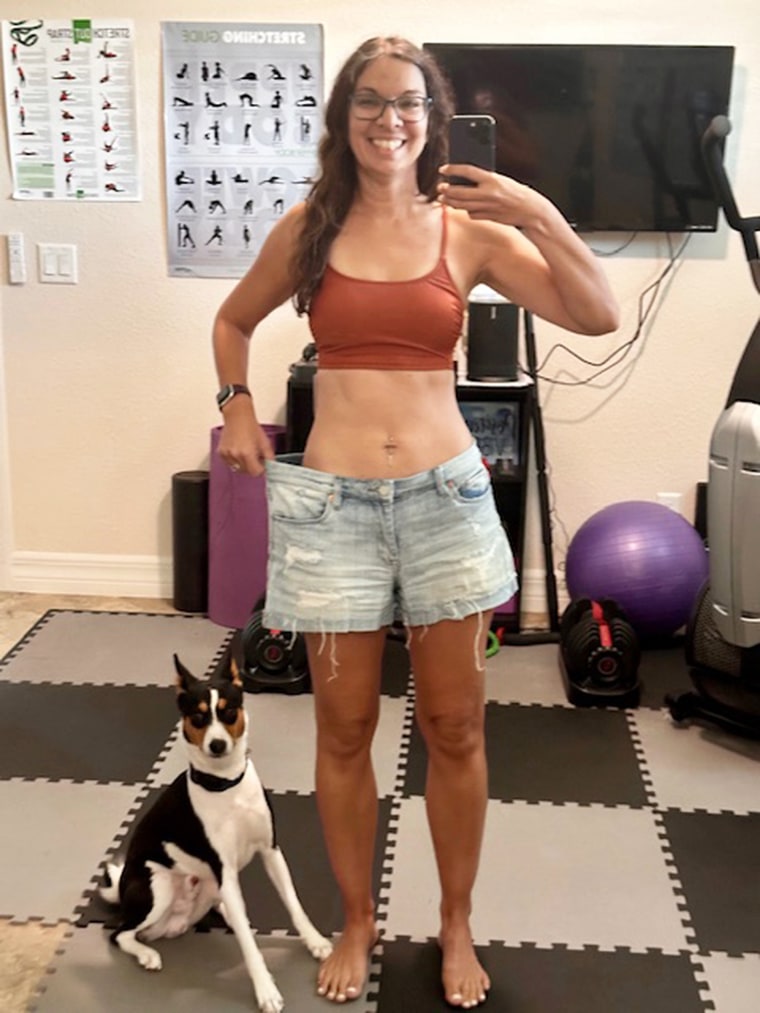 Kloese’s fitness routine includes strength training, yoga and lots of walking.Courtesy Michelle Kloese
She prioritizes strength training
“One of my healthy habits I had to check off was getting strength training in every day,” she says. She used the Kickstart Training app’s structured workouts for guidance at first: “I knew exactly what exercises I was going to be doing.”
Over time, she felt confident enough to design her own workouts. “I realized which ones I felt more comfortable with and which ones made me feel stronger,” she says. She uses 5- to 10-pound dumbbells and adds bodyweight exercises like planks for core strength — she now holds a plank for three minutes every day.
She drinks a lot of water
Kloese had been drinking less than 8 ounces of water a day. “I was getting a lot of headaches,” she says. “I learned a lot about drinking water, and now I’m up to 72 ounces a day.”
Building up her water intake wasn’t easy. It took her about two months: “I was overwhelmed by how much 72 ounces was.” She started drinking 8 ounces at a time but tracking it felt complicated.
“Now I start my day with a glass of water and then have steady sips throughout the day. I have a water bottle that helps me stay on track, and I keep it with me at all times,” she says.
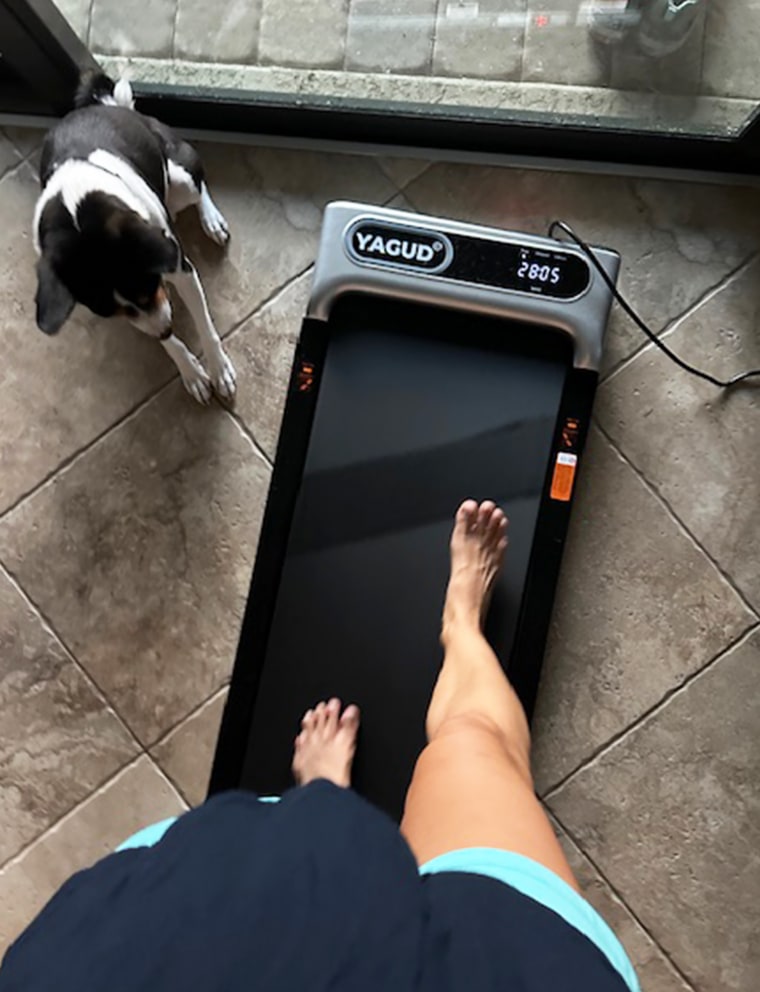 Kloese started using a walking pad during meetings and it added 5,000 steps to her daily total.Courtesy Michelle Kloese
She gets creative to increase her daily steps
Kloese used to be a teacher, and she naturally moved around a lot. Now she has a desk job for an education technology company, so she set a goal to walk for 15 minutes a day. “Getting in my steps was a huge piece,” she says.
She started walking her dog, which helped, but she ran into a roadblock — the afternoon thunderstorms that often strike where she lives in Florida. “I could have the best of intentions, and then the downpour comes,” she says.
She recently bought a walking pad, and she walks on it when it’s raining outside or during work meetings. “That has been a game-changer for me,” she says. Once she started using it, her daily step average climbed from about 4,000 to almost 9,000. “And I feel like I’m doing less because of the flexibility,” she says.
When she checks her work calendar for the day, she commits to walking during her off-screen meetings. “If I have a meeting, I can walk for the whole hour,” she says. She also walks for 15 minutes at the beginning and end of each workday: “Even if I don’t have any meetings, I know I’m getting that 30 minutes in.”
She now walks for 45 minutes most days, and she recently walked 13.1 miles — the distance of a half-marathon.
She made small healthy diet swaps
Kloese started intermittent fasting, which cut late-night snacks out of her diet. She doesn’t drink soda, and she switched to mostly black coffee.
She started making small changes, like only having a half of a bun with a burger or swapping sweet potato fries for regular fries. As she started to lose weight, she got more excited about healthier foods and began to plan her lunches instead of ordering GrubHub and eat more foods like overnight oats and avocado toast.
“My husband and I were going out to eat three times a week, so we swapped out some of the restaurant nights with premade meals. Now we only go out once or twice a week,” she says.
For more healthy recipes and easy-to-follow meal plans, download the Start TODAY app!
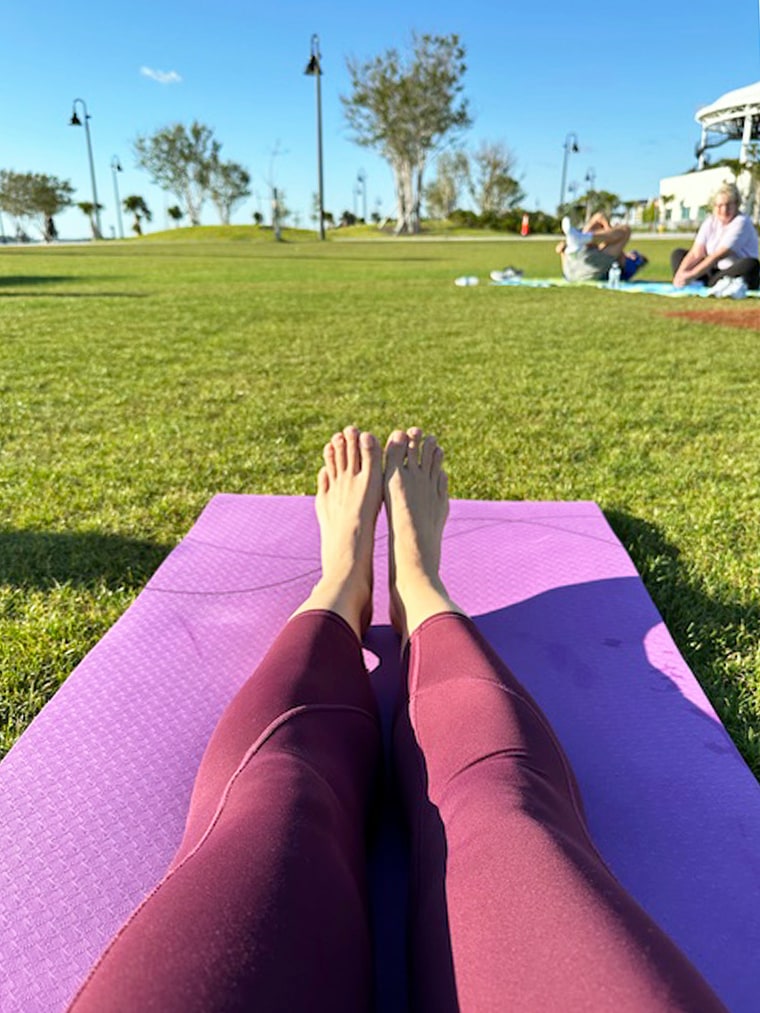 Kloese’s healthy habits rubbed off on her friends. Now instead of meeting for drinks, they walk or take yoga classes together.Courtesy Michelle Kloese
She connects with support
Kloese switched her habit tracking app to Personify Health, which her workplace provides, so she can connect with her coworkers. “I have a remote job, and I work with people from all over Florida. We can all see each other’s steps. The friendly competition is really fun for me,” she says.
Instead of going out for drinks at night, we go on a weekly walk together.
Michelle Kloese
She shared her goals with her friends, and discovered that some of them were also thinking about making changes. “It helps that my friend group knows what my goals are, because they can honor and respect them. If you surround yourself with people you trust, who you can be open and honest with, they’re your best supporters,” she says.
“My goals sparked a conversation among our group. Now, instead of going out for drinks at night, we go on a weekly walk together,” she says. And instead of going to a mimosa bar, they walk, take a yoga class or hike in a nearby state park.
She says she and her friends still enjoy a drink once in a while, but it’s a lot less often. And she often drinks flavored water instead of alcohol in social situations.
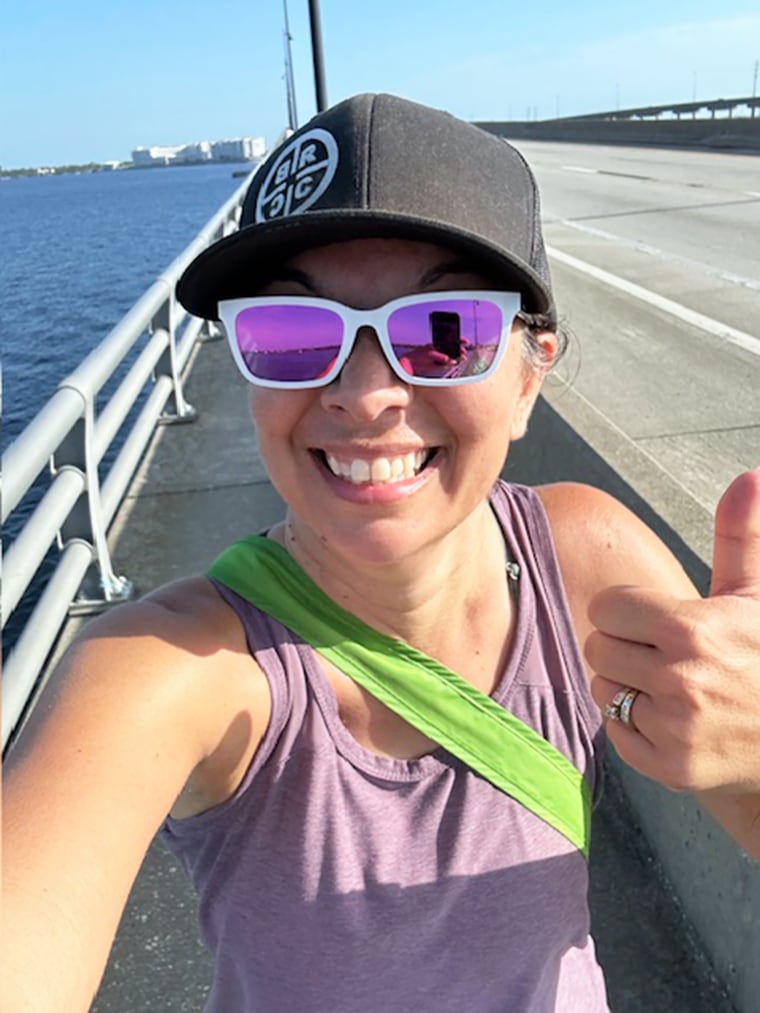 While it took about 6 months for Kloese to see real change physically, she says she felt mentally better within a month of committing to heathy habits. Courtesy Michelle Kloese
She made slow, steady weight-loss progress
Kloese lost the weight over a year and nine months. “It took a while. Mentally, I started to feel better in a month or so, because I knew I was doing something to make a change and I felt motivated working toward my goal. But physically, I probably felt defeated for about six months.”
It wasn’t until she had been checking off her new habits for four or five months when she noticed a difference in how her clothes fit. After that, she started to lose two to five pounds a month, but she would still hit plateaus.
During one of those plateaus, she joined the Start TODAY Facebook group. “It was great to have another community of people from all walks of life and different areas, working to overcome their struggles, being vulnerable and sharing what their challenges are,” she says.
After going through early menopause in her 40s, Michelle Kloese lost 50 pounds by walking, strength training, drinking water, habit tracker, intermittent fasting.